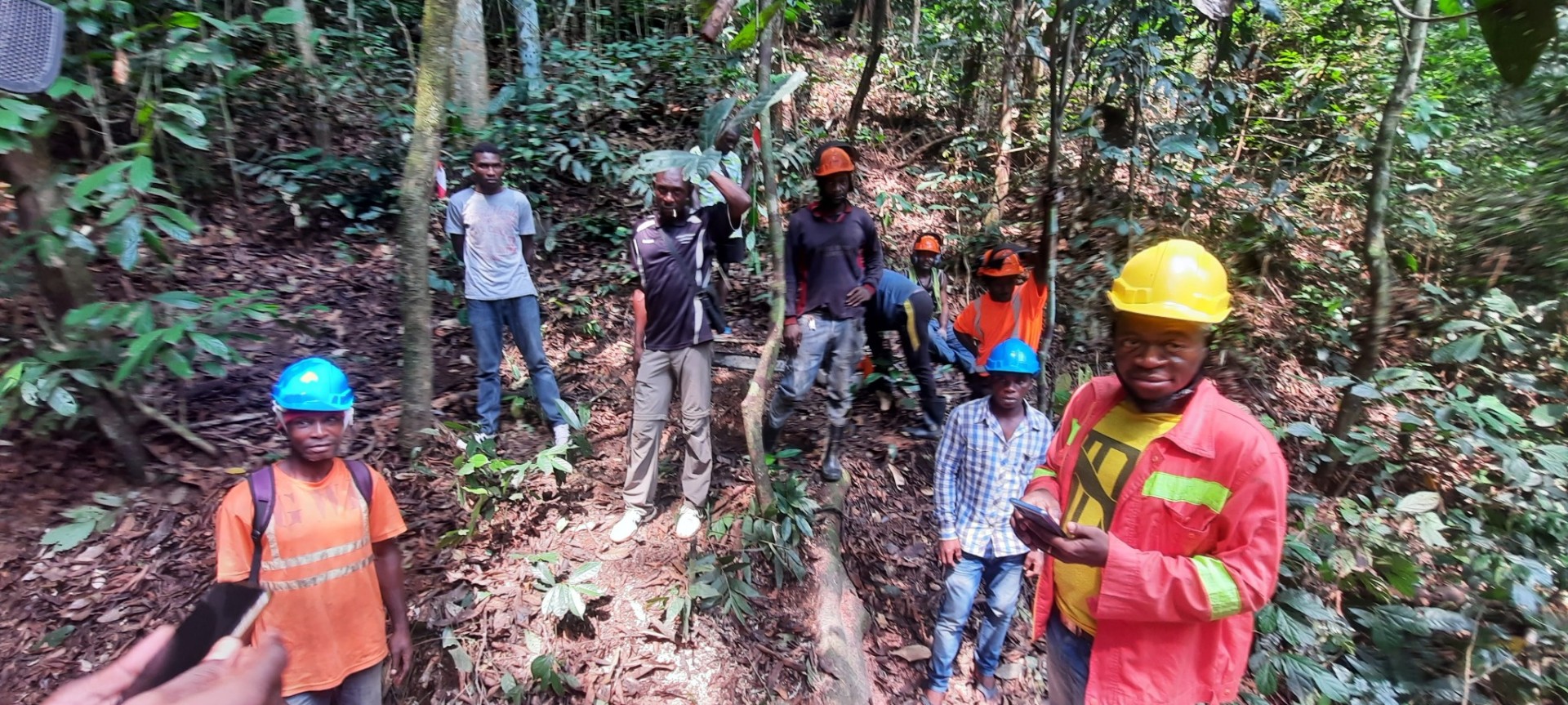
Observation
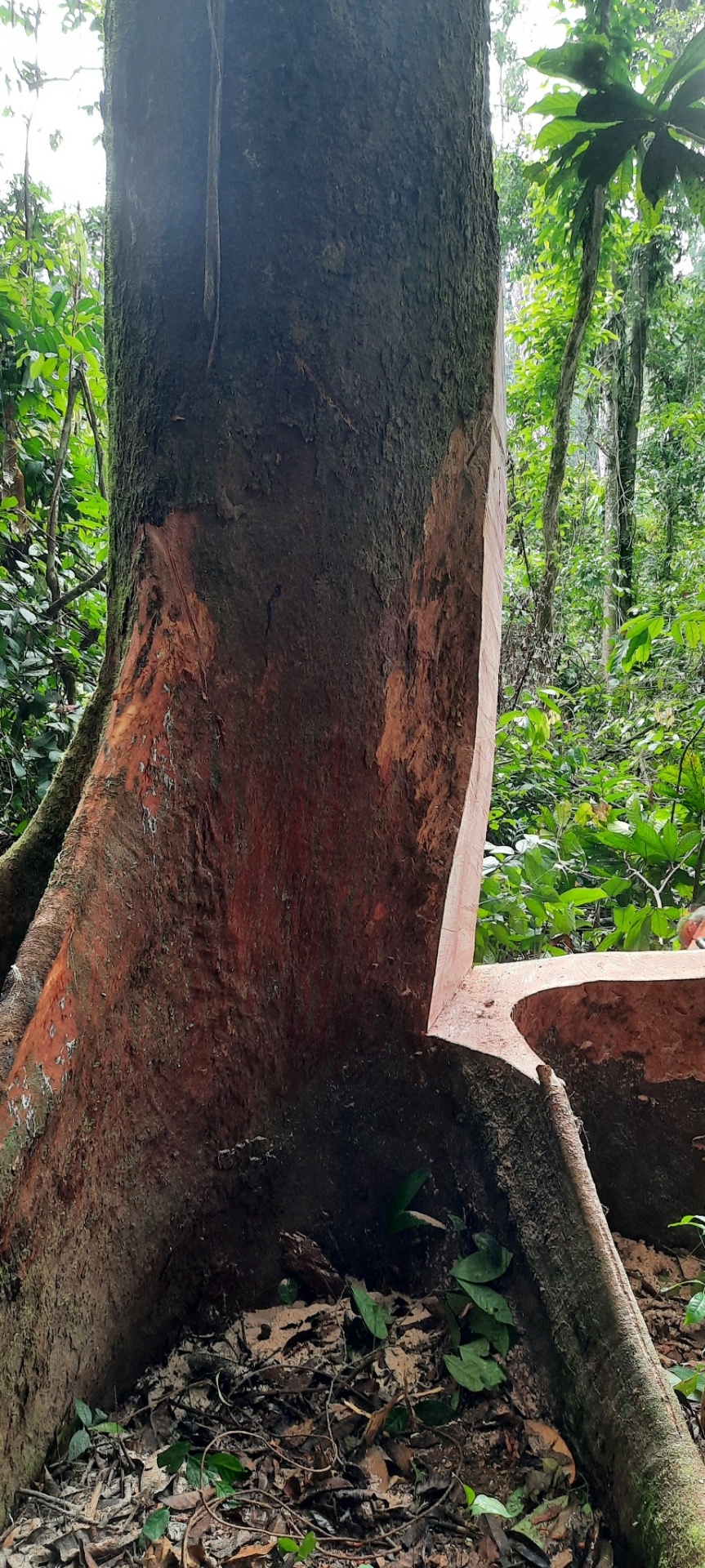
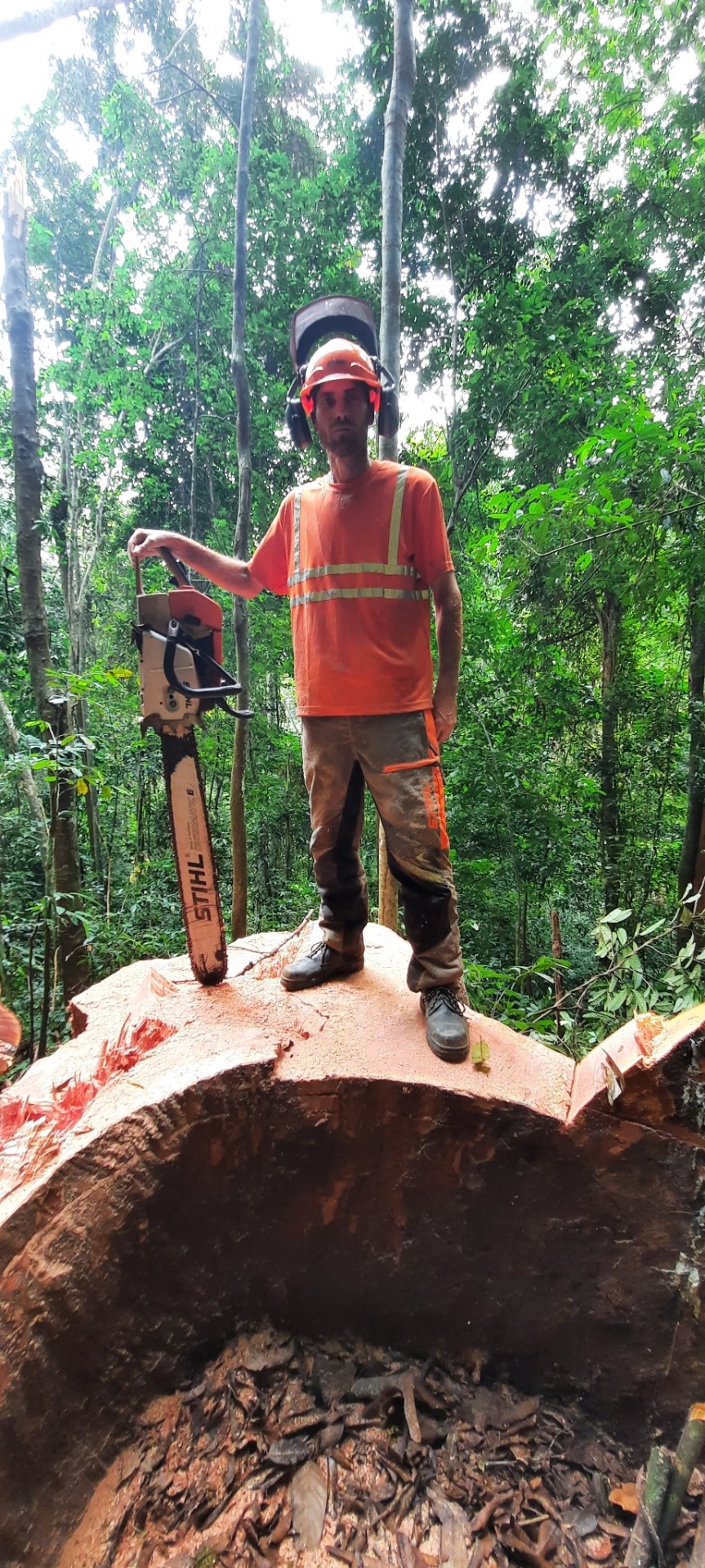
Every operation begins with an examination of the tree, its balance, buttresses, apparent condition and immediate surroundings. This assessment helps anticipate constraints and prepare an appropriate decision.
FIT — Forest Impact Training
FIT — Forest Impact Training presents Gregory Mastorgio's experience and expertise in practical forestry training, controlled felling, chainsaw operations, safety and reduced-impact logging under real tropical forest conditions.
Controlled felling · Chainsaws · Equipment and PPE · RIL
Open to employment opportunities, operational assignments and professional collaborations.


Every operation begins with an examination of the tree, its balance, buttresses, apparent condition and immediate surroundings. This assessment helps anticipate constraints and prepare an appropriate decision.

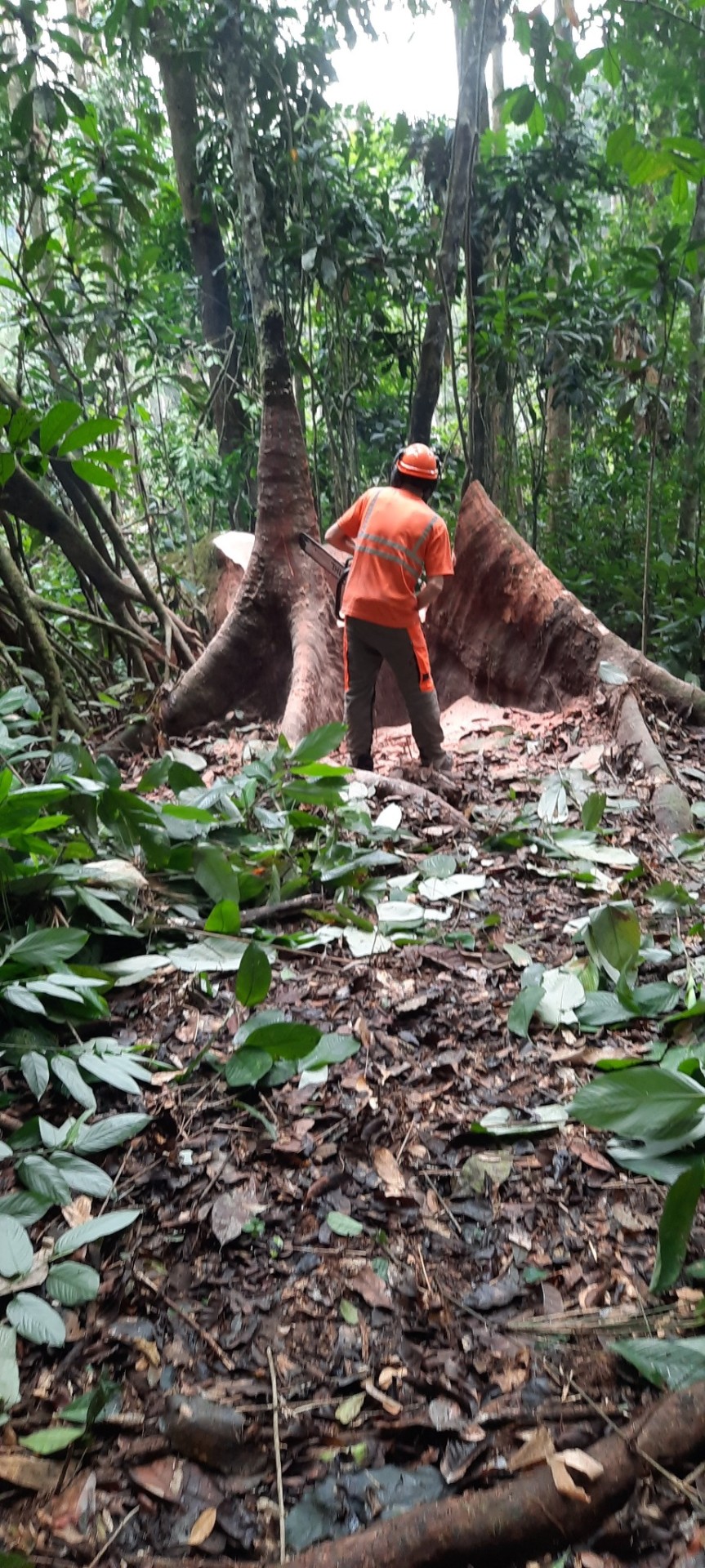
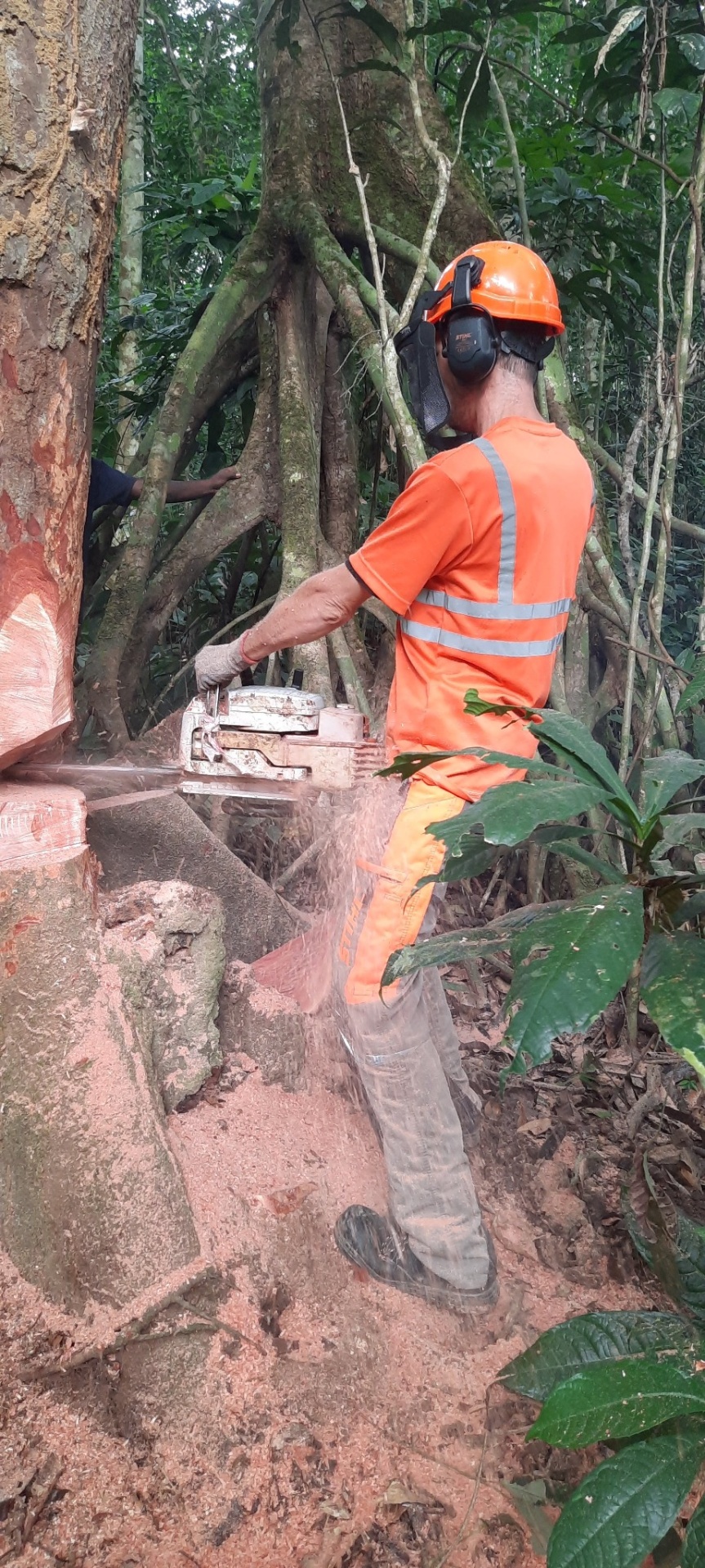
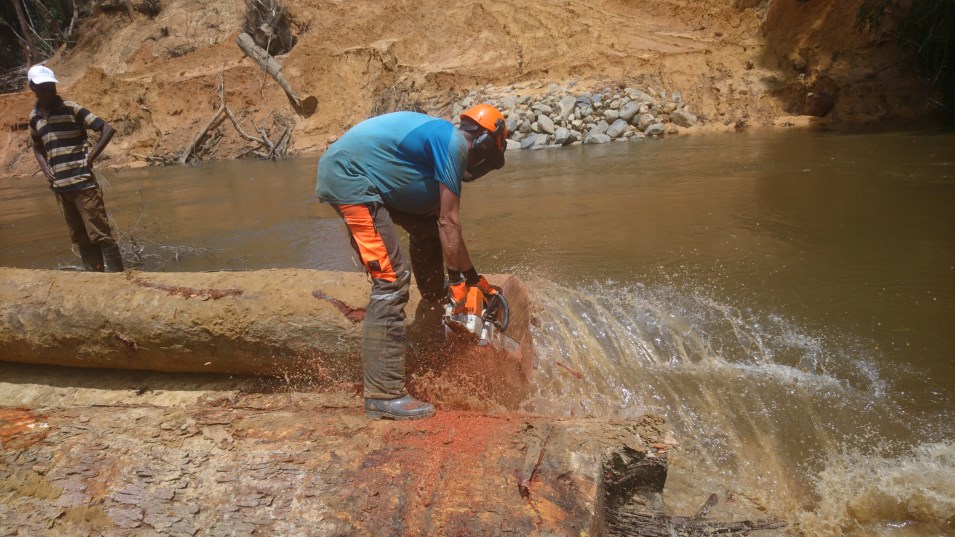
Felling quality depends on accurate cuts, sound chainsaw handling, proper worksite preparation and the ability to adapt the method to the characteristics of the tree.

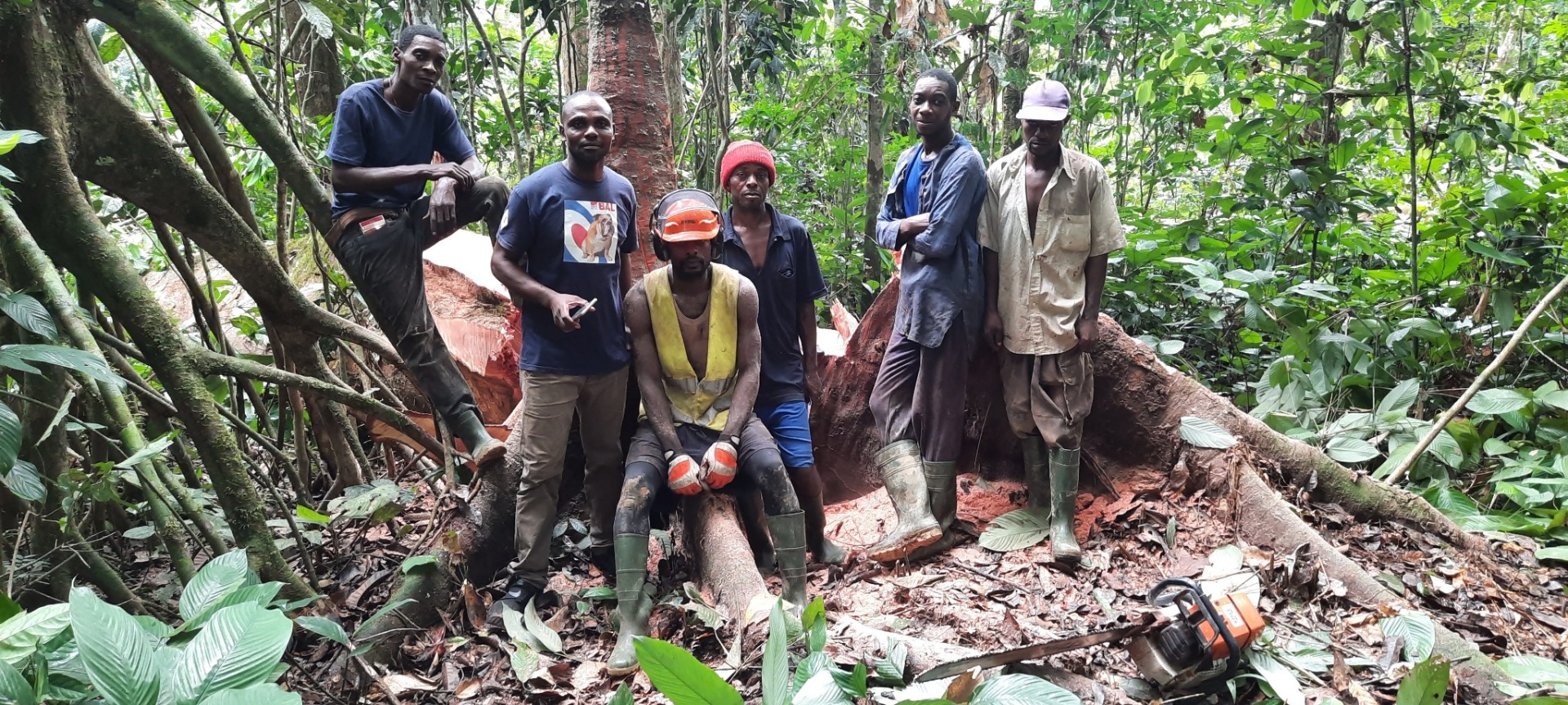
Felling is part of a collective operation. Communication, safety, felling direction, protection of the remaining stand and coordination with subsequent operations concern the entire worksite.
A procedure may be known without being applied consistently. Examining the work helps identify technical, equipment-related and organisational gaps that reduce safety, accuracy or efficiency.
The tree, its surroundings and worksite constraints are not always examined with the required level of detail.
Felling direction, escape routes, equipment and worksite organisation may be decided too quickly.
Equipment availability, PPE use, communication and safety distances are not always consistent.
Felling is not always sufficiently connected with winching, skidding and protection of the remaining stand.
The FIT approach combines assessment, explanation, demonstration, supervised practice and review of the result. It is adapted to operator skill levels, available equipment and site conditions.
Examine practices, worksite conditions, equipment and operator needs.
Clarify technical choices and demonstrate a method suited to the situation.
Allow operators to apply the techniques with field support.
Review execution, correct gaps and strengthen acquired skills.
These capabilities may be mobilised through employment, an operational assignment, a professional collaboration, training or worksite support.
Prepare and carry out felling using a method suited to the tree, terrain and subsequent operations.
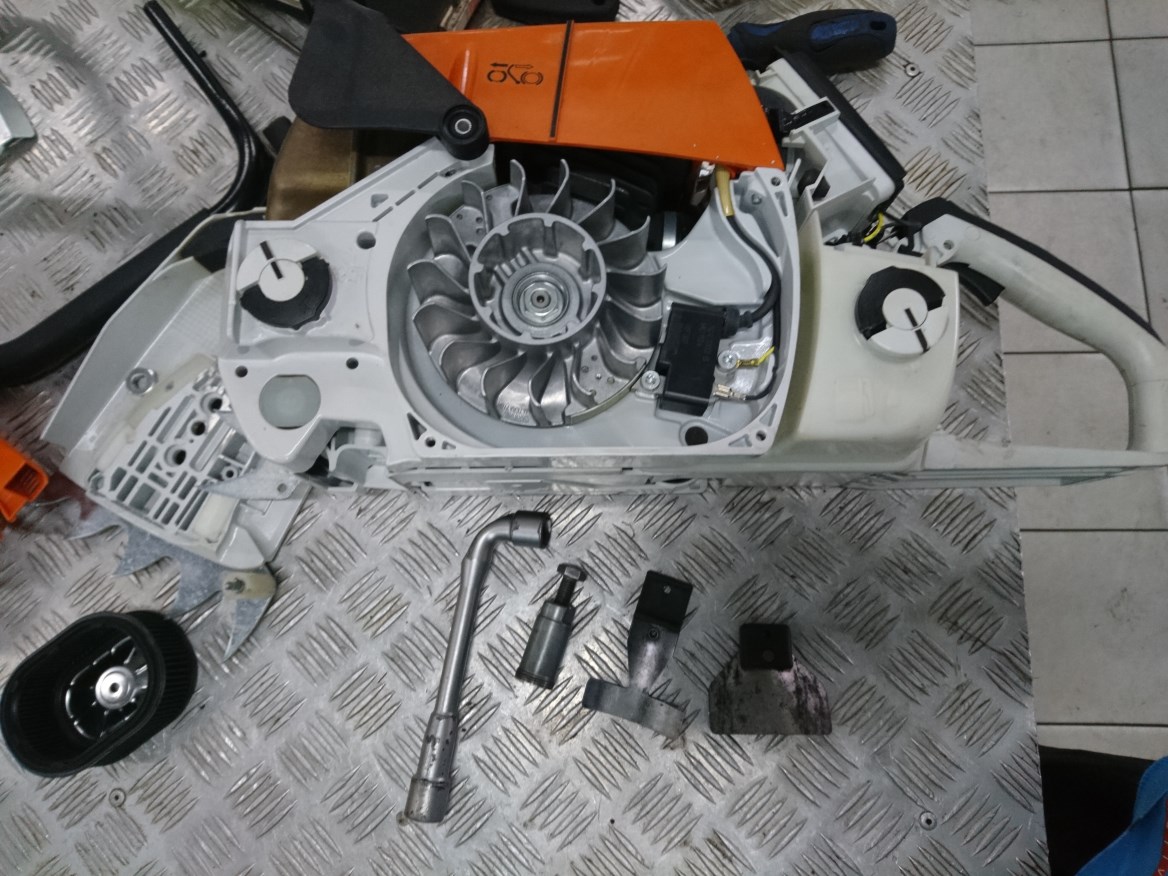
Cutting performance depends on the correct combination of machine, guide bar and chain, together with proper preparation and routine maintenance.
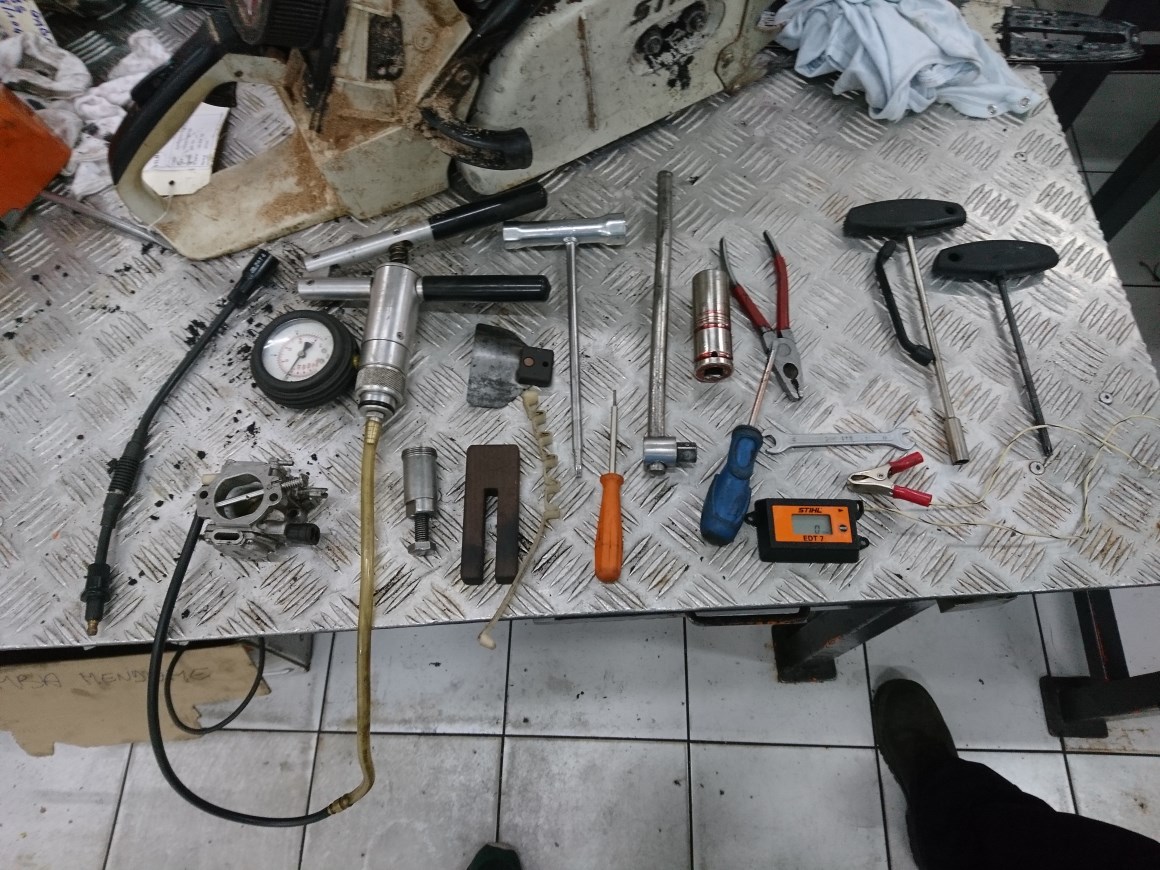
Worksite preparation includes identifying, obtaining, making available and correctly using the required tools and protective equipment.
Improve operational organisation while protecting people, the remaining stand and subsequent worksite operations.
Develop operator skills and strengthen supervisors' ability to observe, explain and correct field practices.


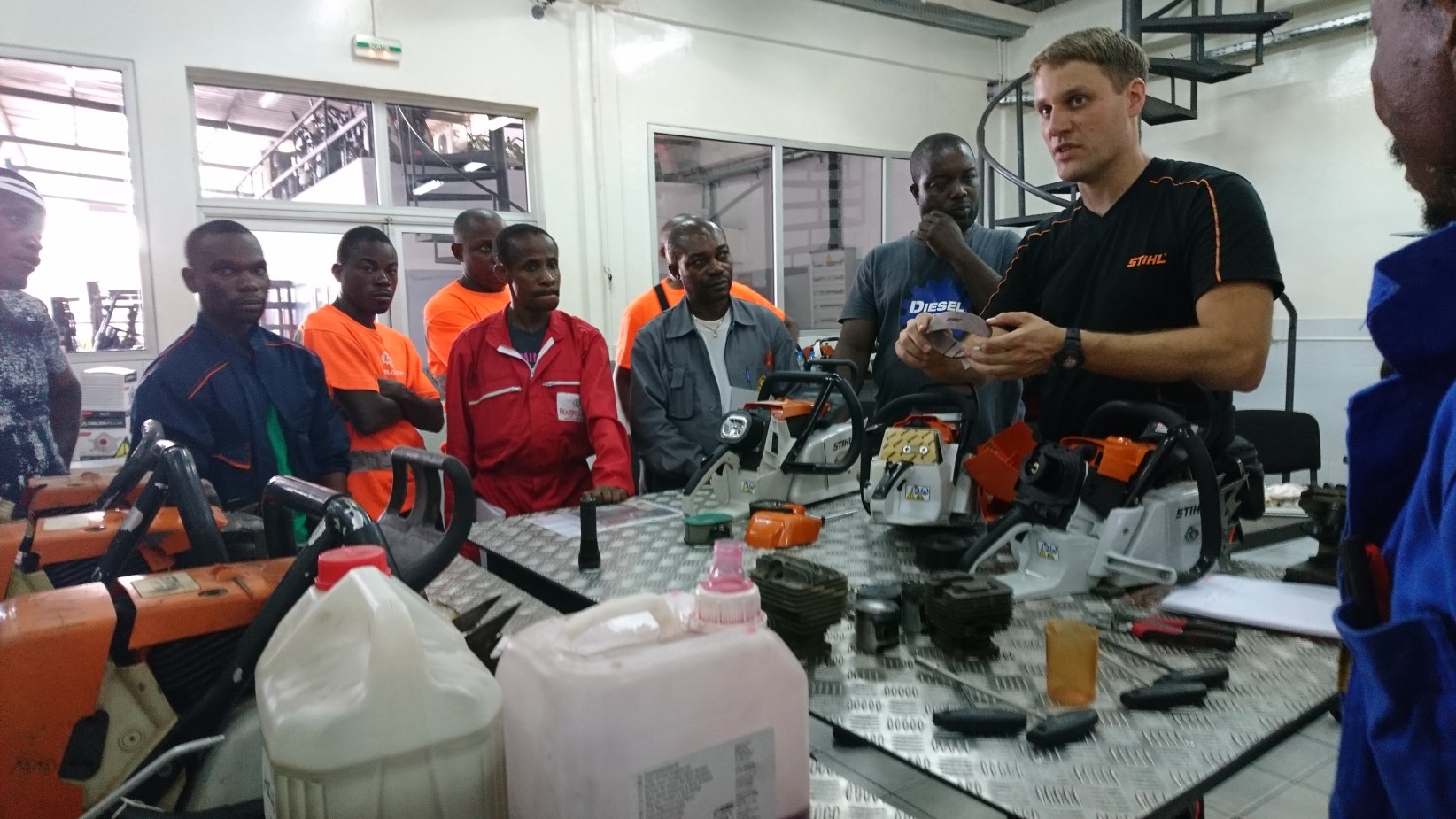
The two-stroke fuel and engine-oil mixture must be prepared according to the manufacturer's specified ratio and requirements, using suitable products, containers and methods.
Oil specifically designed for the saw chain and guide bar, with suitable tackiness, helps maintain a lubricating film throughout the chain's travel. It contributes to smoother chain movement, more fluid penetration of the cutting equipment into the wood and reduced friction, heat and premature wear of the guide bar, chain and sprocket.
Guide-bar maintenance also includes cleaning the groove and oil holes, together with inspecting and removing burrs when they appear.
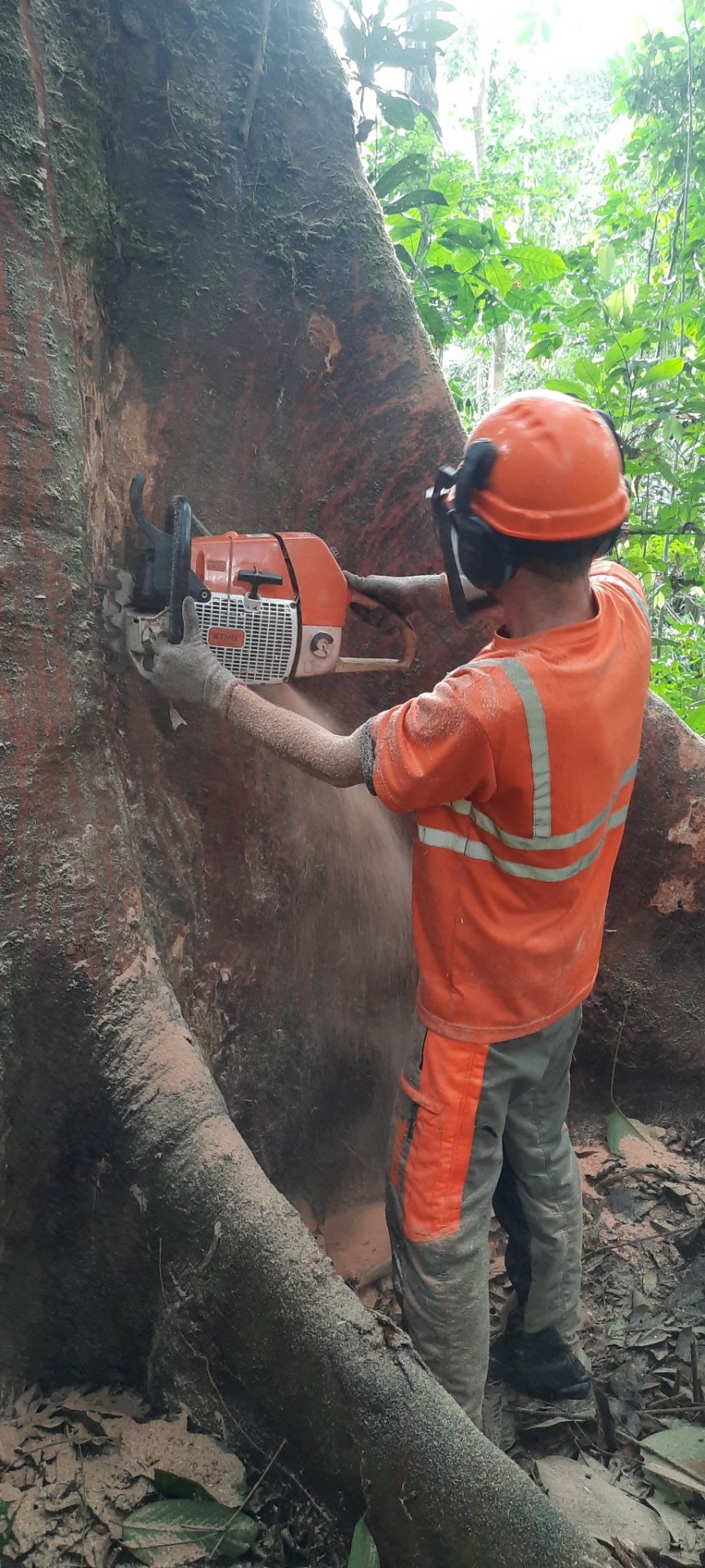
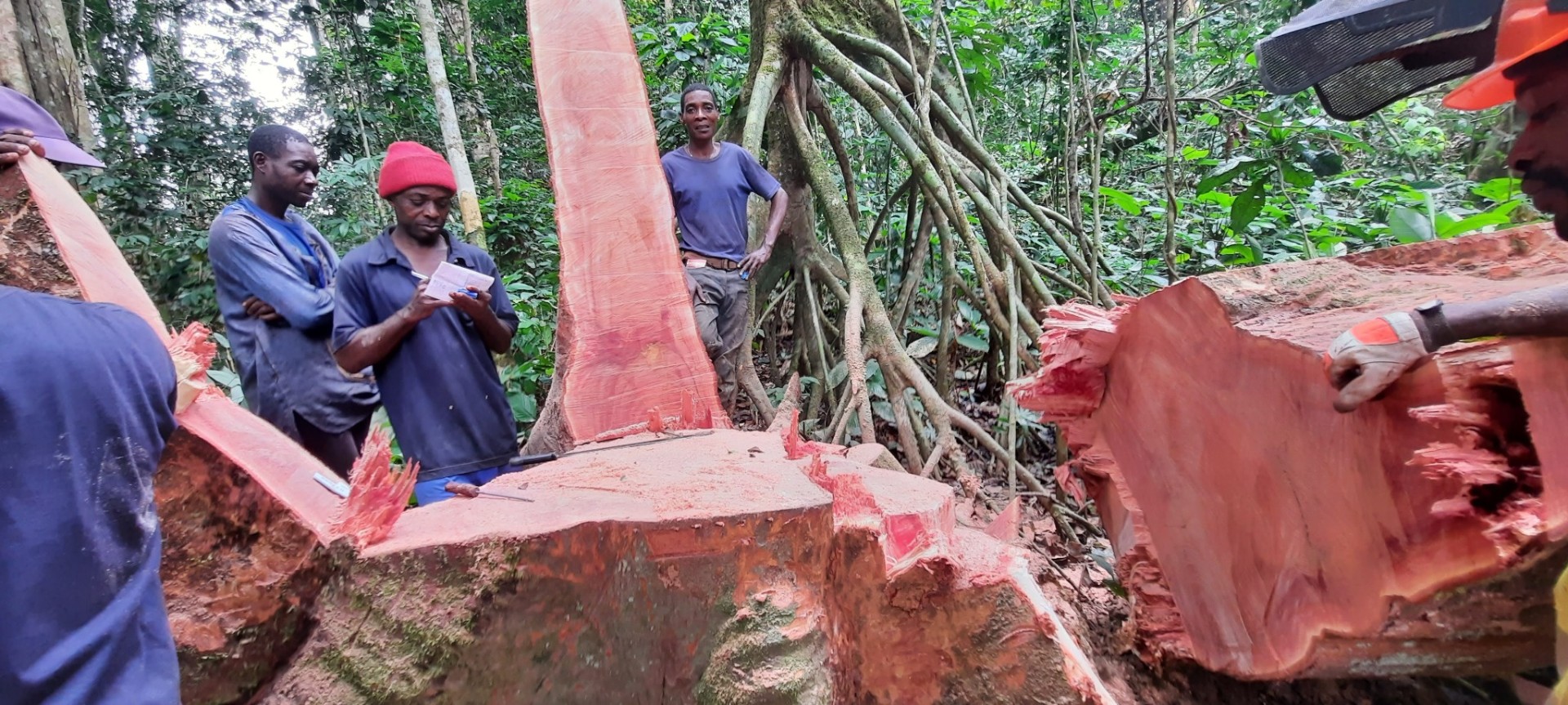
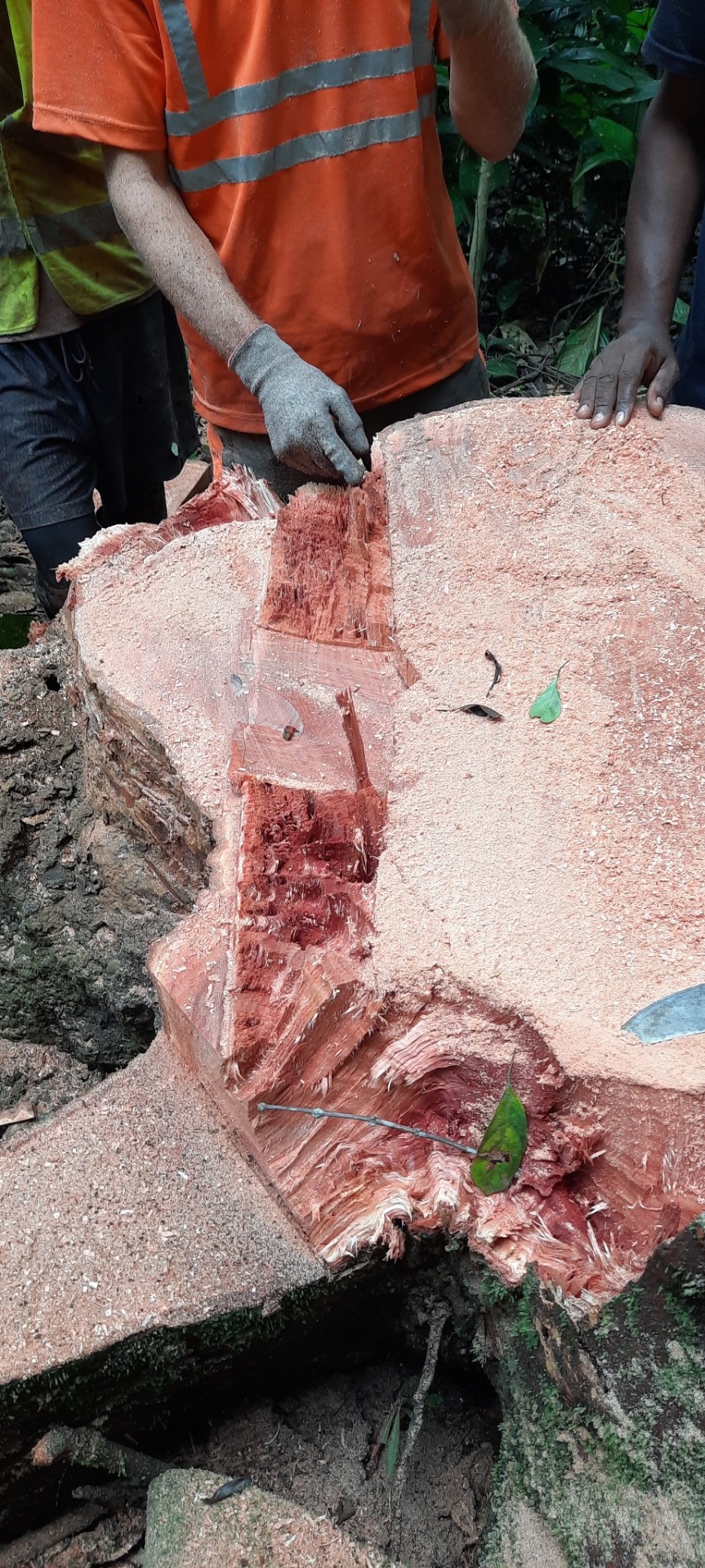
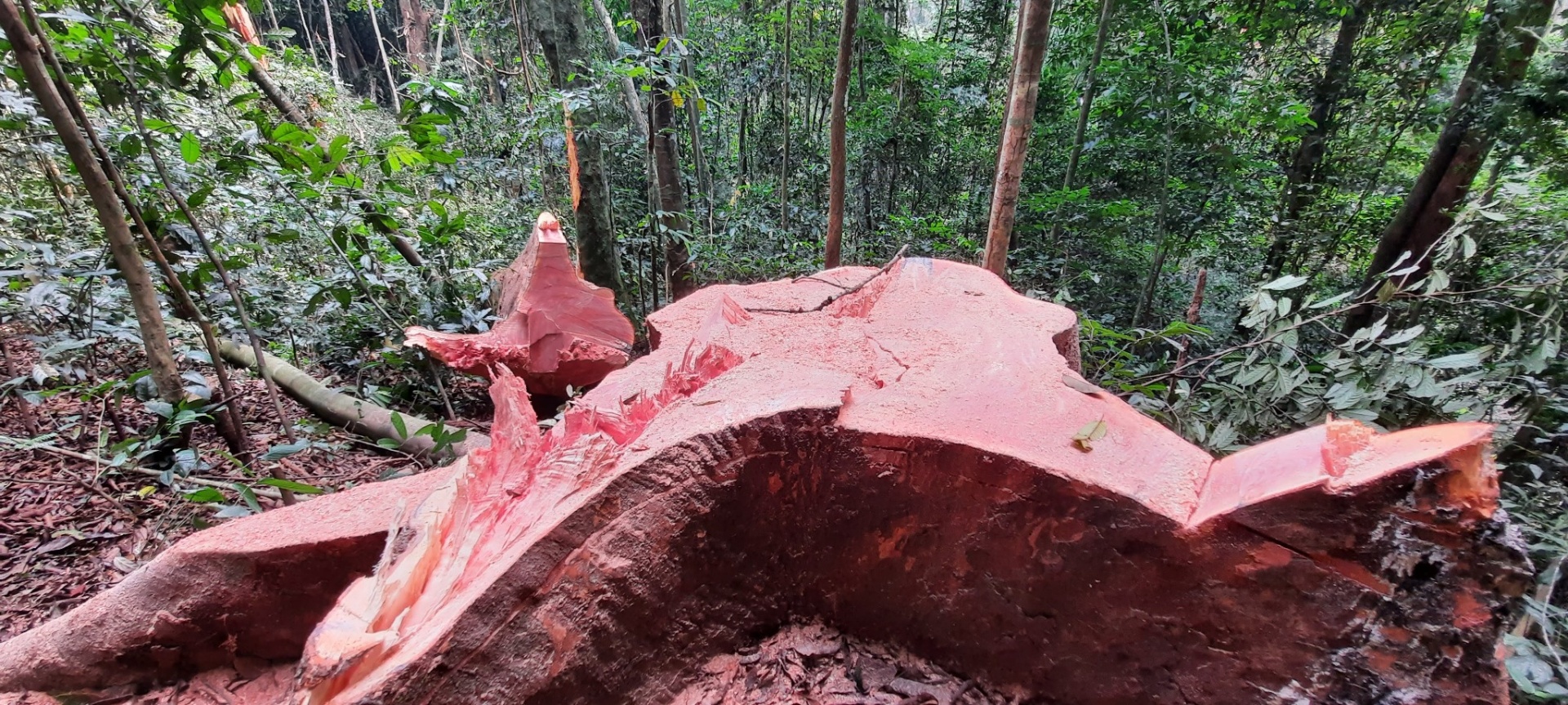
Examining the stump and cuts makes it possible to review execution, understand gaps and turn the completed operation into a learning resource.


The photographs are used as observation and assessment materials. They are not intended to establish a complete technical conclusion without knowledge of the operational context.

Gregory Mastorgio is trained in silviculture and forest worksite management. His background includes tree felling, skidding, forestry contracting and operational organisation in France, together with professional experience in Gabon and Liberia.
Through FIT, he applies this experience to practical training, the development of tree-feller skills, support for field supervisors and improvements in methods, equipment and forestry operations.


Participation in this workshop does not constitute certification, accreditation or an official partnership with STIHL.
Forestry operations observed in the field in Gabon.


These images do not represent an official FIT team.
FIT presents a professional profile open to employment opportunities, operational assignments, collaborations and practical forestry training or field-support requirements.
Proposals may be considered according to the elements opposite.
Share an opportunityProposals may involve a permanent position, a fixed-term contract, an operational assignment, a collaboration, training or forest worksite support.
FIT is the professional identity used by Gregory Mastorgio to present his experience and approach. FIT is not presented as a certification body and does not issue official qualifications or certifications.
Yes. Content may be adapted to the objectives, functions, operator skill levels, tree species, available equipment and site conditions.
FIT can help identify requirements, define specifications and quantities, explore procurement options and organise equipment use. FIT is not presented as a seller or distributor.
A participation certificate may be considered when training is actually delivered. It is not an official qualification or certification.
Please indicate the country, organisation, proposed framework, position or assignment and expected objectives.